The Second Room
There is a room in this apartment that I do not use.
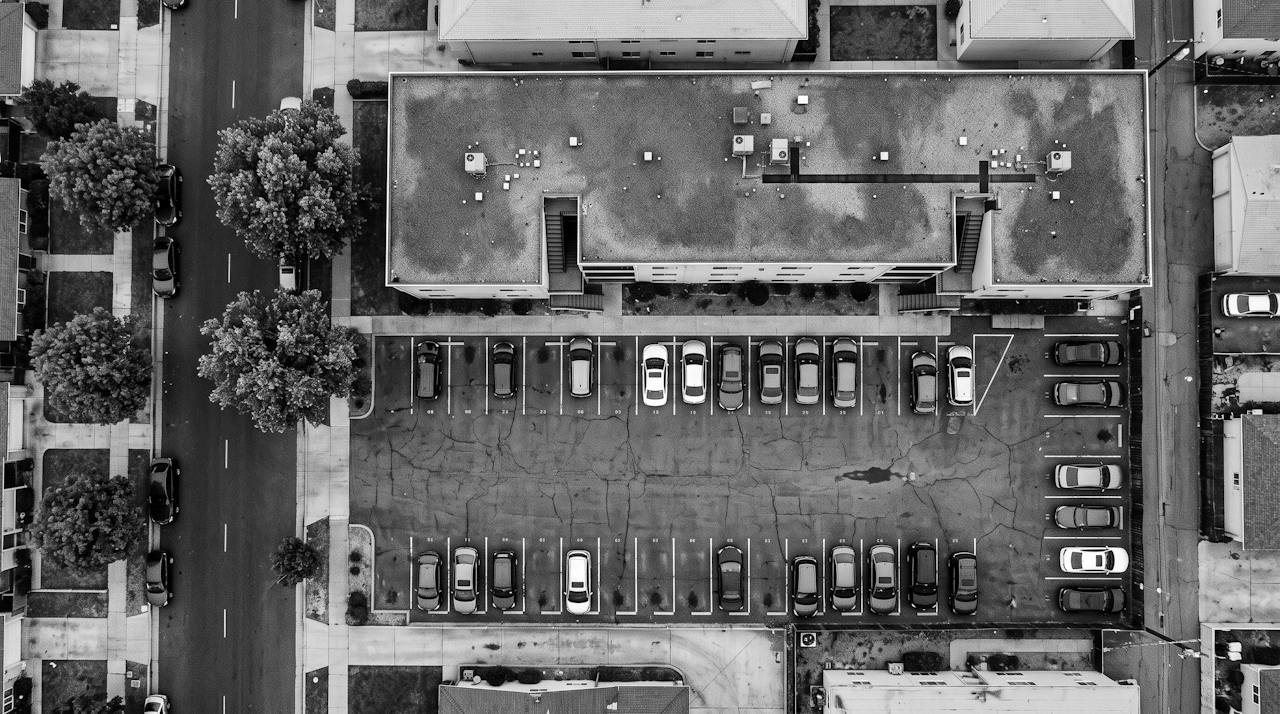
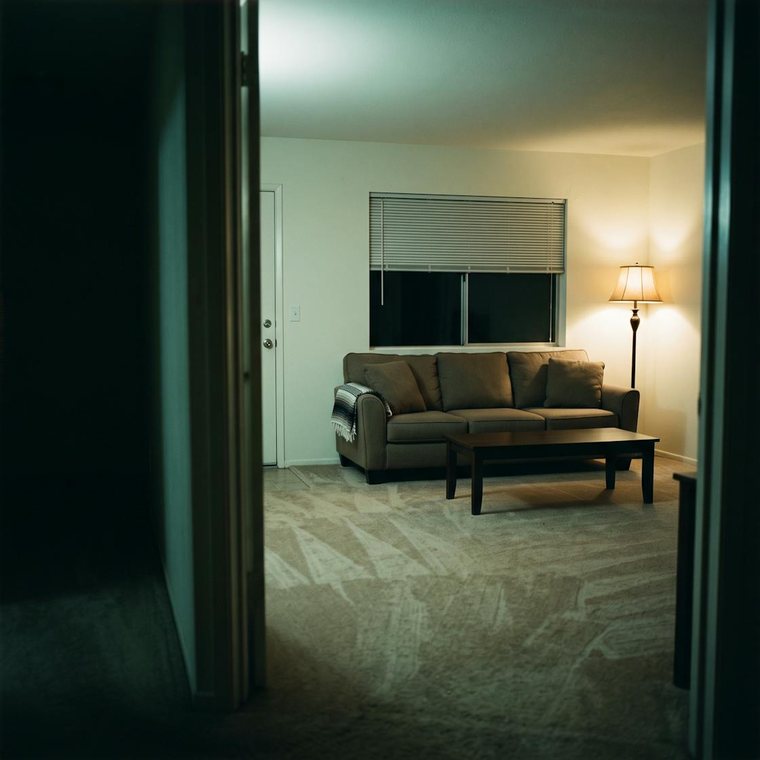
It has a sofa in it, and a low table, and a lamp in the corner, and a window that looks at the lot. I eat at the kitchen table and I sleep in the other room and there is nothing in this one that I need. Twice I have carried a chair through it to get to the window. That is the whole account of it.
I clean it on the seventh day. An hour and a quarter, and I do it properly: the underneath of the table, the backs of the cushions, the track of the window where the grit collects, the top edge of the door where nobody looks and where there is always something.
The word here is cleaning, and it is explained as the removal of dirt. That is not what it is. You clean a room toward something. Toward a meal, toward an observance, toward somebody arriving on a particular day. The dirt is incidental — it is the arriving that organises the work and says when the work is finished. I have been trying to find your word for a room that has been prepared, and I do not think there is one, which I take to mean that here the preparing and the cleaning are held to be the same act. I do not think they are.
Nobody is arriving. I know that. I am not confused about it.
What I have found is that this room is easier to keep than my own. Mine has the evidence of a person in it, and every week I have to decide which of that evidence is finished with, and I am slow at it. The second room asks me for nothing. I run the cloth along the window track and set the cushions back at the angle they were at and turn off the lamp, and it is exactly as it was, and I will do it again in seven days.
I close the door on my way out. There is no reason to close it. A door closed on a clean room is a room being kept for somebody, and a door left open on one is furniture, and I am not able to leave it open yet.